


-

Add: HeBei ShengShi HongBang Cellulose Technology CO.,LTD.
-

Email
13180486930@163.com -

CONTACT US
+86 13180486930




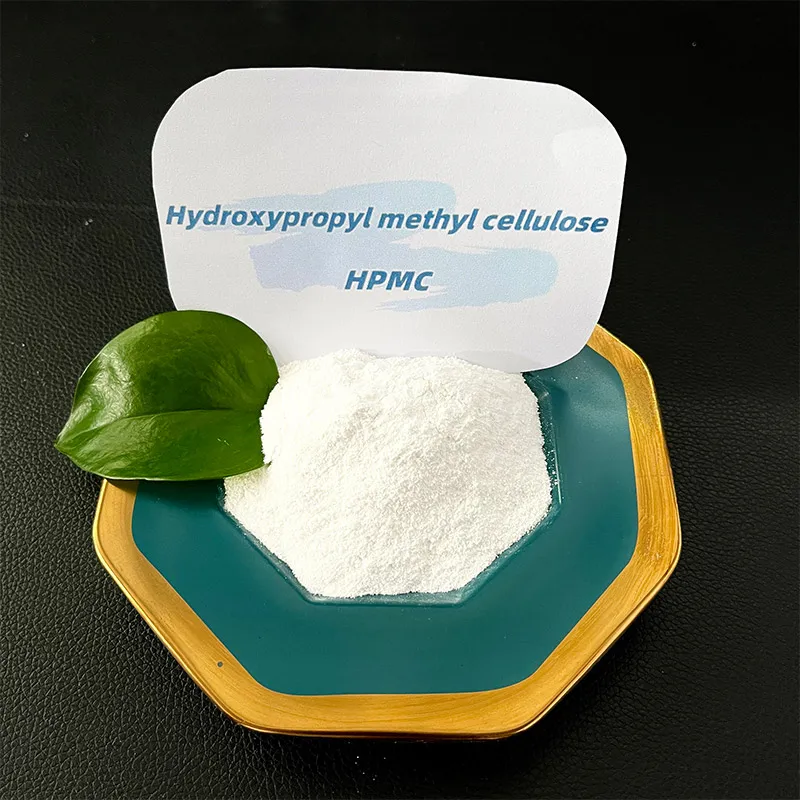
Hydroxypropyl methylcellulose (HPMC) is widely recognized as a versatile compound that finds its application across various industries. Preparing HPMC solutions is paramount for ensuring its effective performance, whether in pharmaceuticals, food processing, or construction. This article sheds light on the expertise required, authoritative guidelines, and trustworthy methodologies associated with HPMC solution preparation. Experience in HPMC solution preparation reveals that the process is both an art and a science, demanding precision and knowledge. Users often face challenges such as insolubility, clumping, or achieving the desired viscosity. These challenges can be mitigated by following specific preparation steps . Here, I will share a streamlined process derived from years of hands-on experience 1. Selection of Grade The choice of HPMC grade significantly influences the end properties of the solution. Different grades offer varying viscosities and gel temperatures, making it crucial to consult technical specification sheets provided by manufacturers to select the right grade for your application needs. 2. Water Quality The quality of solvent, usually water, plays a critical role. Using deionized or distilled water enhances solubility and prevents any potential reactions from contaminants. Experience confirms that temperature-controlled environments boost the solubility rate and uniformity of HPMC throughout the solution. 3. Dispersion Technique Accurate dispersion ensures the complete hydration of HPMC without forming clumps. Begin by sprinkling HPMC slowly into the solvent while stirring continuously. An authoritative tip involves using mechanical stirrers to maintain a consistent dispersal, achieving a lump-free solution efficiently. 4. Temperature Control The temperature of the solvent should be monitored closely. HPMC tends to dissolve better in cold water. By initially employing cold water to disperse the HPMC and later heating it up if the application demands a higher temperature, one can secure optimal results. hpmc solution preparation 5. Hydration Time Time is a crucial factor in preparing an HPMC solution. Allow the solution to hydrate fully, which might take several hours depending on the grade and environmental conditions. Patience is key as incomplete hydration could result in suboptimal solution properties. 6. pH Adjustment For applications requiring specific pH levels, adjust the pH of the solution after full hydration. Different grades of HPMC might react differently to pH adjustments, so it's advisable to conduct small-scale tests before full-scale operations. From a professional standpoint, the expertise of troubleshooting common issues cannot be overstated. In some cases, adding a non-ionic surfactant can assist in reducing surface tension and improving solubility. Furthermore, employing an industrial homogenizer can yield a finer, more consistent HPMC solution in high-demand applications. To establish authority in the preparation of HPMC solutions, it’s paramount to adhere to standardized practices as endorsed by industry leaders. Following guidelines from entities like the United States Pharmacopeia (USP) can ensure compliance and efficacy in pharmaceutical applications. Maintaining a record of every batch's preparation details ensures traceability and identifies areas for future optimization. Trustworthiness is built through consistency and transparency. Regularly testing and documenting the rheological properties of prepared solutions guarantees batch-to-batch uniformity. For enhanced credibility, consider third-party verification from accredited laboratories to validate the effectiveness and safety of the final solution. In conclusion, HPMC solution preparation demands a blend of practical experience, specialized knowledge, and adherence to authoritative protocols. By following these best practices, one can ensure the creation of high-quality HPMC solutions suitable for a variety of applications, ultimately fostering trust and reliability in the end product.
- 40000tons

Production
- 20+years

Experience
- 5000+㎡

Acreage

-
Powder rubber, an increasingly popular material in various industries, offers a myriad of applications ranging from automotive to packaging. Born from the need to recycle and repurpose end-of-life rubber products, powder rubber provides an eco-friendly alternative with far-reaching benefits. This article aims to explore the unique properties and applications of powder rubber, backed by insights and experiences from industry experts, while highlighting its expertise, authoritativeness, and trustworthiness. Powder rubber is derived from the grinding process of vulcanized and cured rubber , most commonly from used tires. The process yields a fine, powdery material which retains many of the original rubber's properties, such as flexibility, elasticity, and durability. This makes it a prime candidate for integration into new products that can benefit from these characteristics. In terms of experience, manufacturers utilizing powder rubber have reported significant improvements in their end products. For example, automotive companies have incorporated powder rubber into tire formulations, resulting in a reduction of raw material costs and an enhancement in tire performance due to its excellent abrasion resistance. Similarly, powder rubber is used in asphalt mixtures, offering improved road durability with reduced cracking—a direct benefit observed by municipal governments focused on infrastructure resilience. Expertise in the formulation and application of powder rubber is crucial. Process engineers emphasize the importance of particle size and distribution, which directly affect the performance attributes of the final product. Expertise in selecting the right grade of powder rubber for specific applications can vastly influence product success. As a result, companies often collaborate with specialized rubber compounding experts to tailor solutions that meet specific performance criteria. Authoritativeness is established through numerous case studies and research reports that back the efficacy of powder rubber. Research conducted by leading materials science institutions shows that products containing powder rubber can exhibit enhanced tensile strength and resilience under stress. Furthermore, rubber industry conferences often feature discussions centered around technological advancements in processing techniques for powder rubber, underscoring its growing importance in the materials science domain. powder rubber Trustworthiness stems from the commitment of the powder rubber supply chain to sustainability and quality control. Reputable suppliers offer thorough documentation and quality assurance processes, ensuring that each batch of powder rubber meets stringent standards. These safeguards build confidence among manufacturers who integrate powder rubber into their products, knowing that they contribute to an eco-conscious lifecycle. An insightful example can be drawn from the footwear industry, where powder rubber is frequently used in shoe soles. Brands committed to sustainable practices leverage this material to create eco-friendly products without sacrificing comfort and durability. The positive consumer feedback and repeat purchases substantiate the trust in powder rubber as a reliable material choice. The future of powder rubber looks promising, with ongoing research aimed at expanding its use in new arenas such as 3D printing materials and advanced composites. With continued investment in research and industry collaboration, powder rubber is poised to become a cornerstone of sustainable material innovation. It not only supports recycling initiatives but also offers a practical solution to the growing demand for high-performance, environmentally responsible materials. In summary, powder rubber represents a confluence of innovation, sustainability, and practicality, holding a significant place in modern manufacturing paradigms. Its utilization in diverse sectors serves as a testament to its versatility and effectiveness. As more industries recognize its potential, powder rubber will undoubtedly continue to shape the future landscape of eco-friendly materials and products.
-

Rubber powder, often identified by its industry code as Rubber Powder-821, is garnering attention for its versatile applications across various domains. Derived from recycled rubber products, primarily tires, this fine powder is transforming industries with its multifunctional properties. A noteworthy application of Rubber Powder-821 is in the realm of construction and building materials. Incorporating rubber powder into concrete mixes enhances the durability and flexibility of the material, which is particularly beneficial in regions prone to seismic activity. Concrete treated with rubber powder exhibits superior resistance to cracking and structural degradation, offering a sustainable solution to urban infrastructure demands. In the automotive industry, Rubber Powder-821 serves as a cost-effective additive in tire manufacturing. Its inclusion in new tire formulations results in improved traction and longevity, contributing to increased road safety and reduced maintenance costs for vehicle owners. The enhanced grip from rubber powder-enriched tires is especially advantageous in adverse weather conditions, providing a safer driving experience. The sports and leisure sectors also benefit significantly from Rubber Powder-821. Athletic tracks and playground surfaces fortified with rubber powder deliver increased shock absorption, reducing the risk of injury for athletes and children. These surfaces mimic the natural elasticity needed for diverse sports activities, thus optimizing performance while prioritizing safety. Moreover, the innovative use of Rubber Powder-821 in soundproofing solutions is gaining traction. This material is an excellent insulator of sound, making it indispensable in the construction of residential and commercial buildings requiring noise reduction. Walls and flooring integrated with rubber powder show remarkable noise-dampening capabilities, enhancing the overall acoustic environment for occupants. rubber powder-821 uses In the realm of manufacturing consumer goods, Rubber Powder-821 is proving invaluable. It’s used in the production of items such as floor mats, conveyer belts, and even footwear. The flexibility and wear resistance imparted by the powder increase the product lifespan, which is an appealing trait for manufacturers aiming to deliver high-quality and sustainable goods. Another emerging field where Rubber Powder-821 is making strides is in the development of eco-friendly products. As companies continue to seek greener alternatives, the inclusion of recycled rubber in everyday products meets both durability and sustainability criteria. The ability to repurpose rubber that would otherwise contribute to landfill waste aligns perfectly with global environmental initiatives aimed at reducing ecological footprints. Agriculture is also set to benefit from this resourceful material. The water retention properties of Rubber Powder-821, when mixed with soil, help in drought-prone areas, offering a lifeline to crops by maintaining soil moisture levels. This application not only supports plant growth but also aids in reducing water consumption, thus promoting sustainable farming practices. Rubber powder’s role extends into artistic endeavors as well . Artists and designers are increasingly exploring this material for its textural properties and eco-friendly aspect. From installations to tactile artwork, Rubber Powder-821 is contributing to a new wave of sustainable art, providing an innovative medium for creative expression. The multi-faceted applications of Rubber Powder-821 are a testament to its transformative impact across industries. Its adaptability and efficiency highlight its potential to drive innovation while supporting sustainable practices. As more sectors recognize the benefits, the demand and application for Rubber Powder-821 are poised to expand, cementing its status as an indispensable component in future-forward projects.
advantages
-

200000 Viscosities
Excellent product
We can produce pure products up to 200,000 viscosities
-

40000 tons
High yield
We don’t stop production all year round, and the annual output can reach 40,000 tons
-

24 hours
Quality service
We provide 24-hours online reception service, welcome to consult at any time
———— Inquiry Form
Schedule A services

-
 galvanized_wire_mesh_for_concrete
Oct . 25, 2025
In the ever-evolving construction sector, the choice of materials can significantly impact the quali -
 pemasok_serat_pp
Oct . 25, 2025
Hydroxypropyl methylcellulose, commonly abbreviated as HPMC, stands for a multifaceted polymer with -
 hpmc_chemical_uses
Oct . 25, 2025
Polypropylene Fibers for Sale An Overview In the world of textiles and materials, polypropylene fibe


